
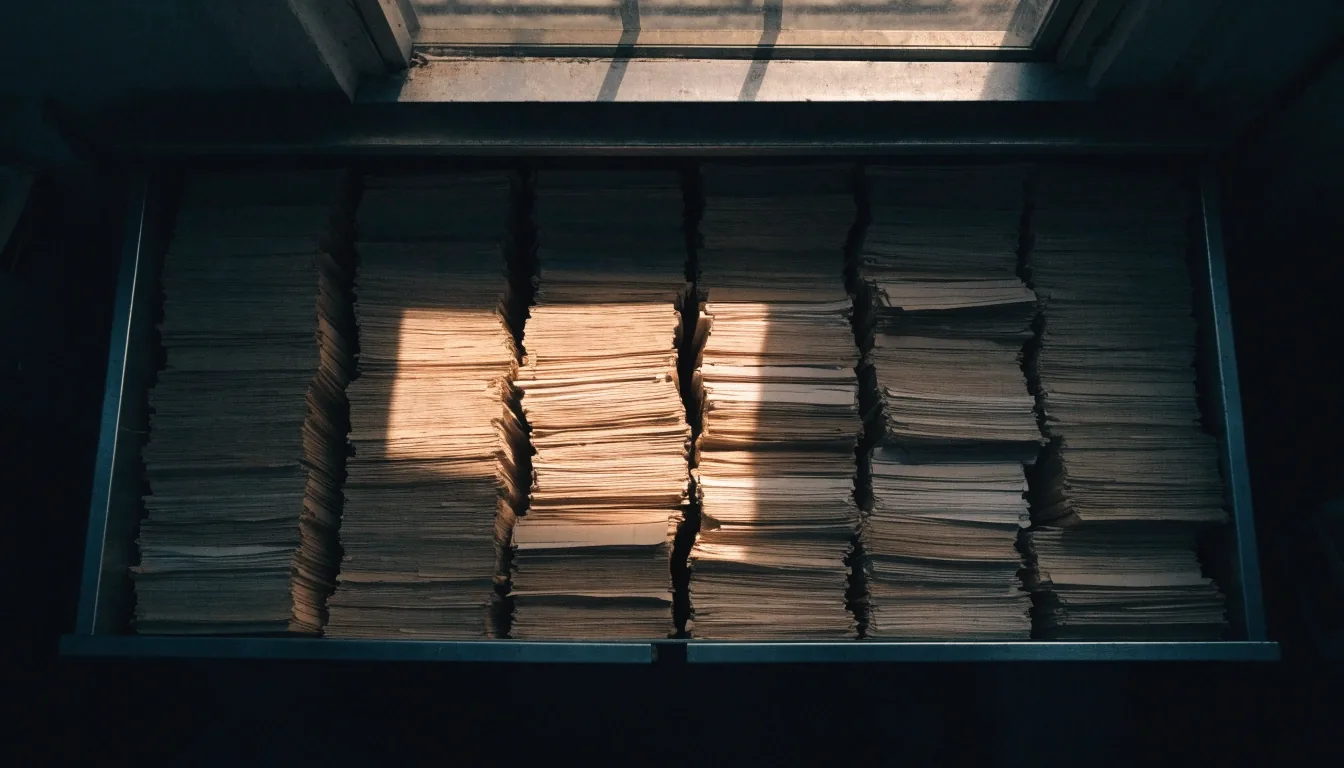
Overhead view of an open filing drawer of unmarked manila folders in warm morning light

Sections · Brooklyn newsroom

Categories

Browse news by section. Every piece we publish lands under one of eleven standing beats, from technology and business to local New York and world events, and each one carries the same reporting standard.

The standing beats

Eleven beats ride the front page on rotation. What you see below is the full list with a short note on what each section covers and who reads it, so you can jump straight to the shelf you came for instead of scanning the archive row by row.

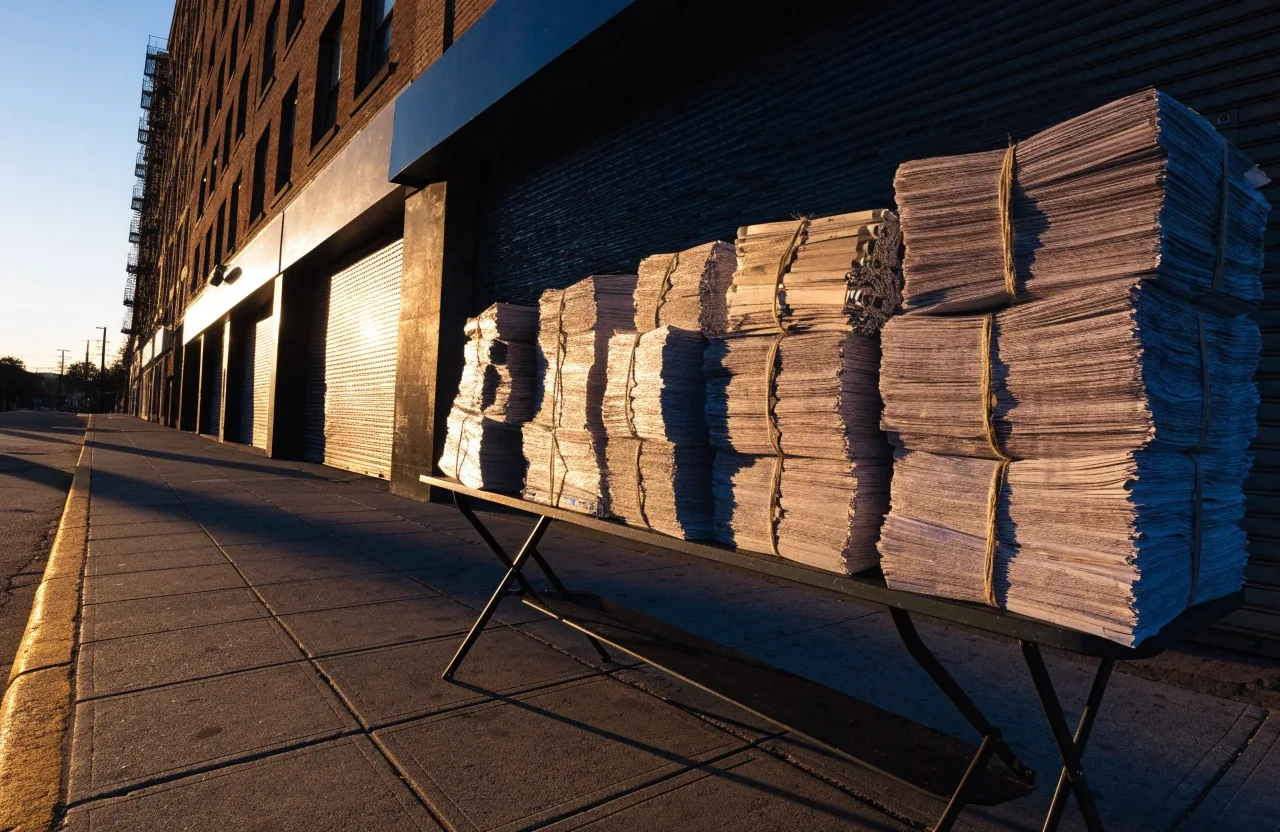
A quiet Brooklyn street at first light with long shadows and warm window glow

Reporting from 354 E 31st St, Brooklyn

Reading the sections like a working desk

Beats exist so readers know what they are getting before the first paragraph. A technology story follows the buildout; a business story follows the money and the customer.

Some stories belong to more than one section. A hearing about AI liability touches policy and technology; a data-center rezoning in Memphis is civic politics and corporate money at once. Where that happens, we file the piece under the beat that carries its center of gravity and cross-link the rest, so the section page never becomes a pile of leftovers and the archive never loses a thread you were following.

Section pages are rebuilt in the same order shown above, most recent first. Each one leads with the newest two or three pieces at full weight and then steps down into a dated ledger, so a reader who checks a beat once a week can see exactly what changed since last time without scrolling the whole archive.

If you are unsure where a story sits, the news archive carries everything in publication order with the beat printed on each row. It is the fastest route when you remember a headline but not the section it ran under, and it stays current as new pieces are filed.

From the technology desk

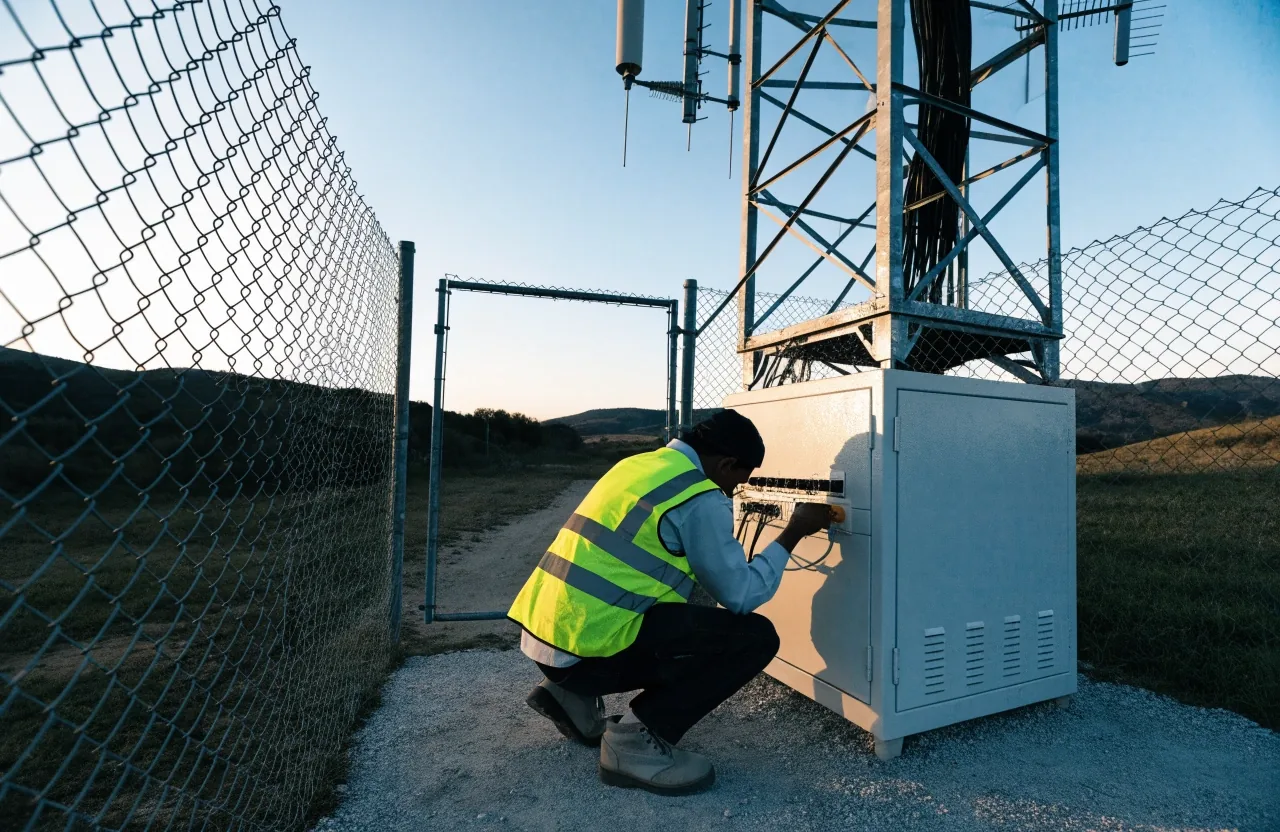
A remote cell tower enclosure at dawn behind a chain-link fence

Torch Systems Secures $11.5 Million to Expand AI Monitoring for Outdoor Infrastructure

The funding round pushes remote monitoring hardware deeper into rural and municipal sites, and it raises the same questions every buildout does: who watches the watchtowers, and who pays when they fail.

Technology Business
Read the story
What a section page is for

A section is not a folder. It is the beat's working desk: the newest reported pieces at full weight, older ones held in a dated ledger beneath, and a short note at the top telling you what that desk follows this month.

You can browse a single beat, or move through the archive in publication order when you want the day as a whole. Both routes show the same reporting, filed the same way, with the same corrections policy attached.

What each section gives you

Newest two or three pieces At full weight, first screen
Dated archive ledger Every older story, in order
Cross-links Where a story touches two beats
Corrections Noted on the piece and the archive
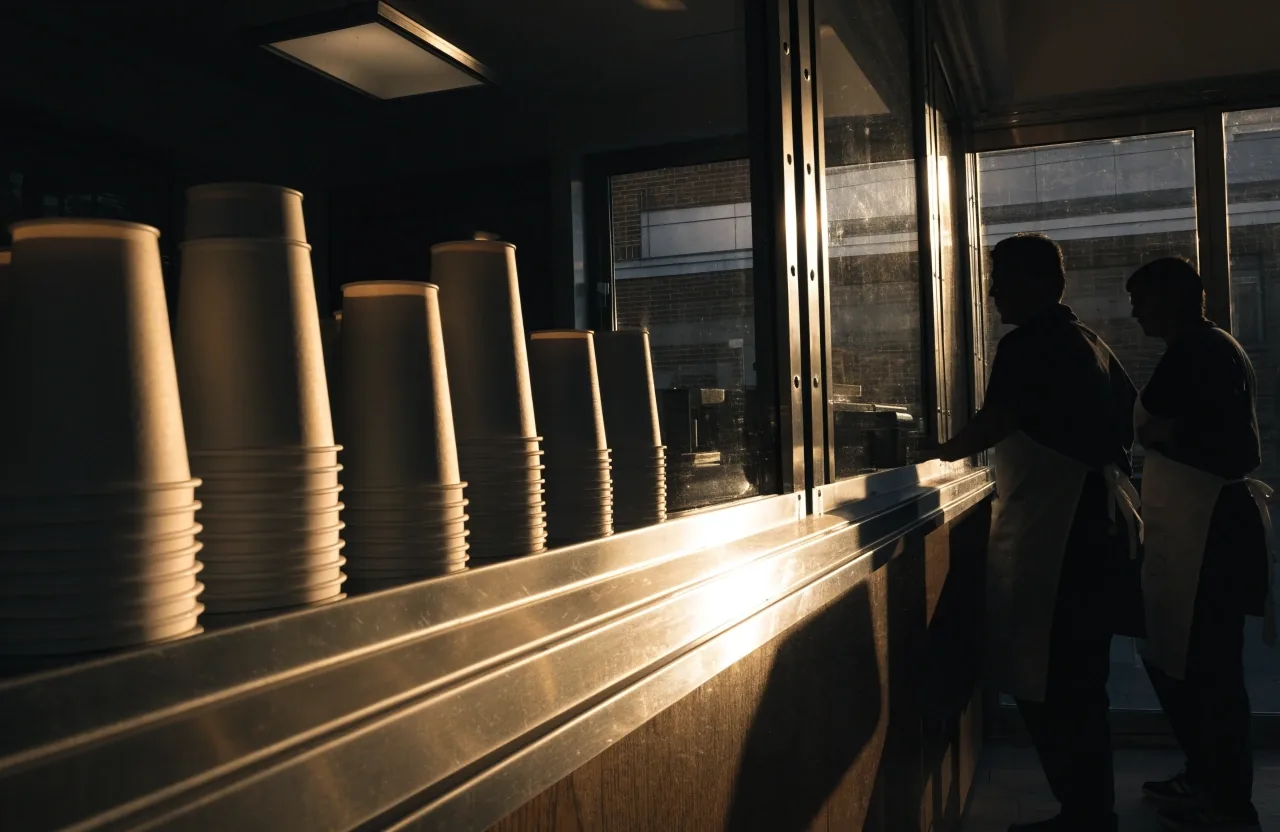
Staff silhouetted behind a franchise counter during opening hour in warm light

Business desk

When the pricing tool is the story

Restaurant chains, franchise owners, and software vendors are bound together tightly enough now that a single automated pricing or operations tool can move the whole group. That is why these pieces read as business reporting first: the software matters because of who it charges, who signs off on it, and who has to live with the result.

The section page keeps those threads together, so a reader can follow one tool, one chain, or one lawsuit without stitching together coverage from three different beats. Torchys is a small example of just how quickly a tool rollout can become a story that outgrows its product category.

Browse business

Shelf view

Three beats readers come back to

Local New York, Society, and World sit next to each other because they share the same readers: people who live here but follow stories that start somewhere else. Each desk below links straight to its own section page.

Local desk

Street-level New York

Council meetings, transit delays, restaurant openings, and the paperwork that decides how a neighborhood gets built. Filed out of the Brooklyn bureau, walking distance from most of what we cover.

Local New York
Society desk

Gatherings and memory

Memorials, vigils, parades, and the low-key civic events that rarely make front pages but hold a city together. We report the crowd, the setting, and the reason, without adding a mood the scene did not already carry.

Society
World desk

Crossing borders

Conflict, elections, and climate events, with the local consequences made clear for readers in New York. We name sourcing and note what still could not be confirmed, because that is where most of the risk in this beat lives.

World

Editorial standards

How we file and how we correct

Four questions readers send most often about how a story lands under a section, and what happens when we get something wrong.

Read the standards
How is a story assigned to a section?
By the center of gravity of the reporting. If a hearing matters mostly because of a rule change, it runs under policy even when the topic is software. Editors decide the primary section, and reporters flag any beat the piece also touches so we can cross-link it. There is no set of topics that belongs nowhere; if we can report it honestly, it has a shelf.
What does the archive order look like?
Two views. Section pages lead with the newest two or three pieces at full weight, then step down into a dated ledger. The news archive lists everything in publication order, with each row carrying the beat it filed under. Older pieces are not removed when a beat gets crowded; they stay in the ledger, dated, so a reader picking up a thread months later can still find the beginning of it.
How are corrections handled?
When we get a fact wrong, we fix the piece, add a dated note saying what changed, and keep the correction attached rather than quietly rewriting the line. Corrections are handled the same way on a section page as on the archive; they are not buried. If you spot an error, the contact page carries our email and phone, and we read both.
Do you take pitches or tips for a section?
Yes. A tip can be short, but it helps when it names the place, the people, or the document behind it. For New York stories the local desk is the right address; for anything that crosses a border, the world desk reads it. You do not need to know which section a story belongs to before you write to us; we can place it.

Where to go next

Pick a beat, or read the whole day

The news archive holds everything in publication order. The sections index collects the standing beats into one list. If you would rather hear from us occasionally, the newsletter sends a short note when a beat has a week worth catching up on; contact works for anything else, including corrections and story tips.

Newsroom

Elisha Yong Journal

354 E 31st St, Brooklyn, NY 11226, USA

Monday to Friday, 9:00 AM – 6:00 PM

TheodoreMeyer@elishayong.com

+18332923148

Newsroom desk

Browse the sections in this order or start from the archive. If you are looking for the piece that first put a section on your radar, the dated ledger under each beat is the safest place to find it.