
The moratorium was not rejected. It was never put to a vote.
8:05 p.m. · Item 14
Memphis, Tennessee · Council session report
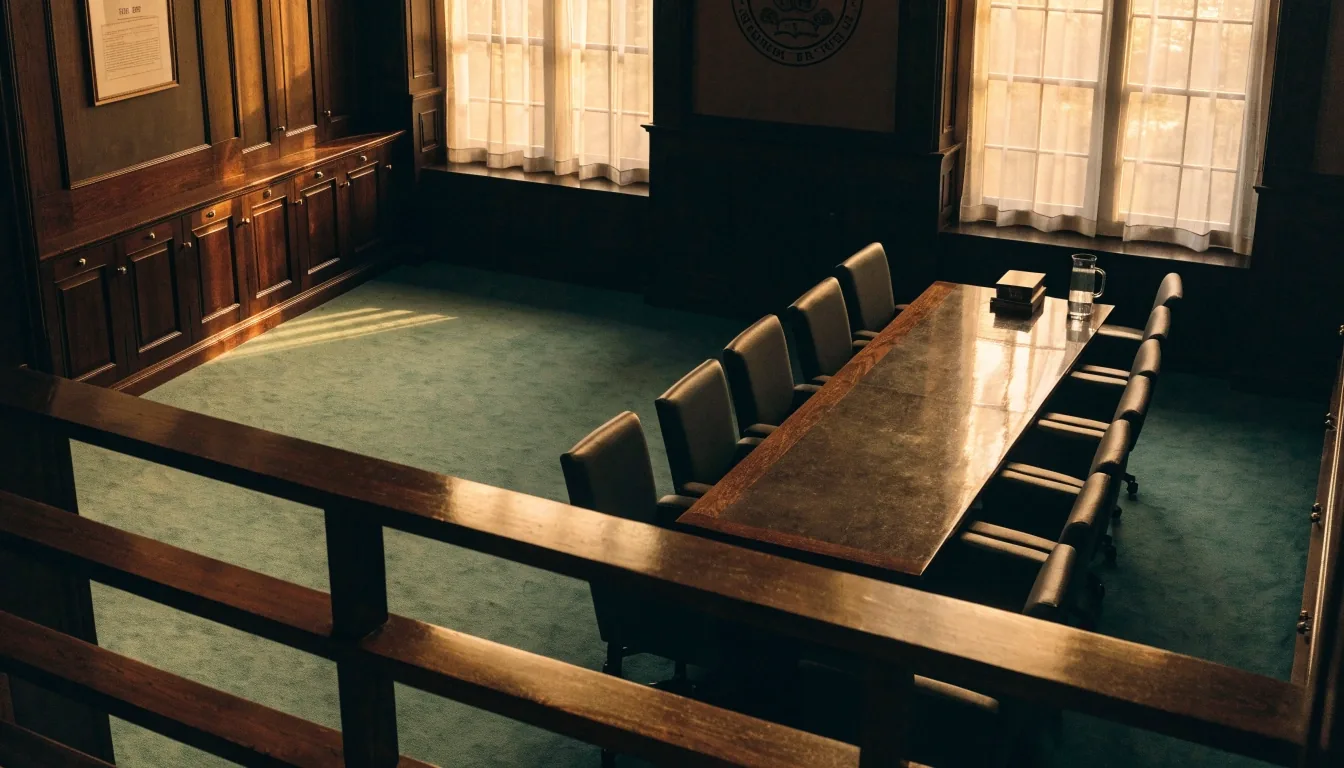
A vote on a proposed moratorium for new data center construction stalled after two hours of public comment, procedural challenges from the dais, and a crowd that would not settle. The motion returns to the agenda on October 20.
Lead report · City hall
Filed Thursday, Oct. 8, 2026
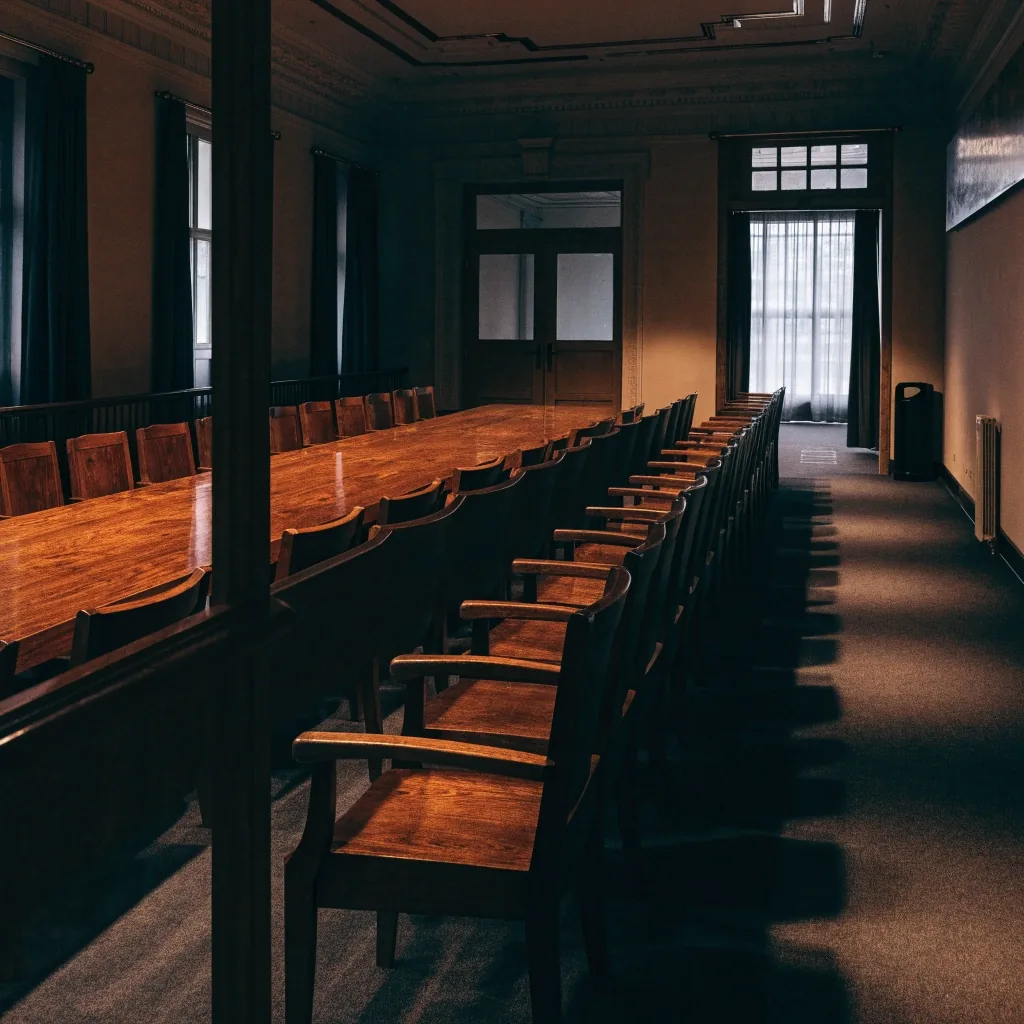
Council members arrived expecting a straightforward vote on whether to pause new data center construction inside the city while a land-use study is completed. By the time the clerk reached the item, the chamber had filled past its posted capacity, and the meeting had already been interrupted twice for order. What follows is a reconstruction of the night from the posted agenda, the meeting's own procedural record, and what members said on the dais.
8:05 p.m. · Item 14
8:22 p.m. · Procedure
8:40 p.m. · Public comment
9:31 p.m. · Rescheduled
Land use · Utility load · Tax abatement
The motion on the table was narrower than the argument around it. It proposed a pause on new building permits for large data center facilities inside city limits until the planning department finishes an updated land-use assessment, with a report back to the council. It did not cancel anything already approved, and it did not name a company.
Most of the disagreement came down to three questions. First, whether the city can measure how much power a large facility pulls from the grid before the utility publishes its own load figures. Second, whether a pause is the right tool while existing tax agreements remain in force. Third, who answers when a project stalls halfway through construction and the surrounding block is left with unfinished infrastructure.
Supporters described the pause as a scheduling decision, not a verdict on any one developer. Opponents argued that delaying permits pushes projects to neighboring counties where the city has no say at all, and that the pause would be felt first by local contractors already contracted for site work.
The Elon Musk-linked thread entered through financing and power procurement rather than through a local permit application. Nothing in the motion named a company, and no representative of any developer spoke during the public comment period. The connection was raised by residents and repeated in questions from the dais, which is part of why the discussion kept sliding from procedure into speculation about who would ultimately pay for substation upgrades.
Inside the motion
Outside the motion
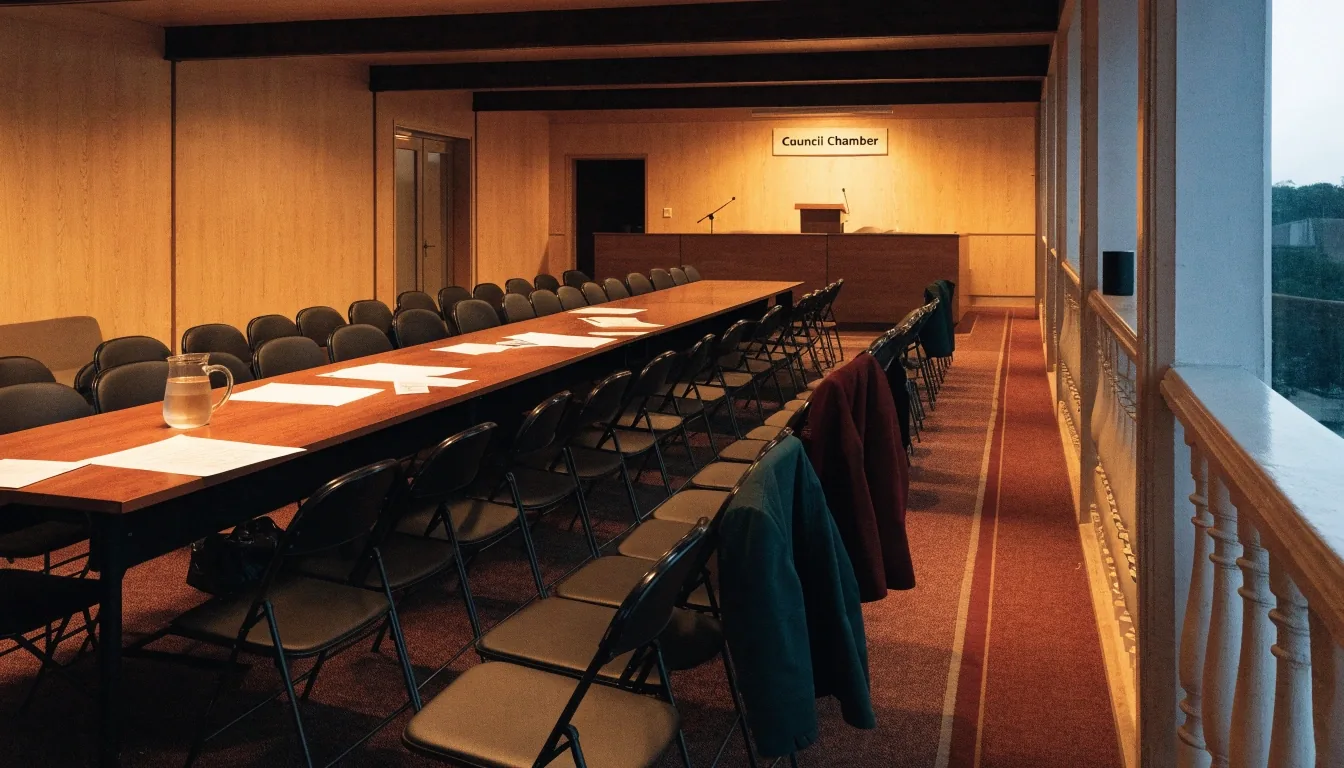
Three positions ran through the public comment period. None of them is a polling result; each is a claim a resident or member made in the room, and each carries a real cost the council will have to weigh on October 20.
Reporting note
Quotations below are paraphrased from speakers addressing the council at the lectern. Names are withheld because the meeting record does not list them alongside each comment.
Speakers from neighborhoods along the eastern industrial corridor asked the council to hold the permits until the city can say how much water and electricity a large facility would draw. Their core argument was sequencing: approve the study before the buildings, not after. Several noted that the same lots have been rezoned before with promises of local hiring, and that little of it was tracked afterward.
Trade workers who spoke during comment asked what happens to crews already hired for grading, concrete, and electrical rough-in if permits freeze mid-schedule. Their point was not about data centers as a category. It was about the gap between a pause on paper and a pause on a site where equipment is already rented by the week, and about who absorbs that cost when a project sits idle.
On the dais, the disagreement was geographic. One position held that a moratorium inside city limits simply moves construction across the county line, where Memphis has no permitting authority and no leverage on grid upgrades. The opposing position held that the city still controls its own water, its own streets, and its own tax agreements, and that those are worth defending whether or not a neighboring county follows suit.
The motion was not withdrawn. It carries forward to the next regular session, and the clerk's office has said the item will be called earlier in the evening to leave room for comment. Between now and then, three things are scheduled to move, and each one changes what the council will be voting on.
Residents who want to speak can sign up through the clerk ahead of the meeting rather than at the door. Written comments submitted before the session are entered into the record even if the speaker cannot attend, which matters because the October agenda leaves less open-floor time than the chamber had on Thursday.
Dates taken from the clerk's posted schedule for the next regular session.
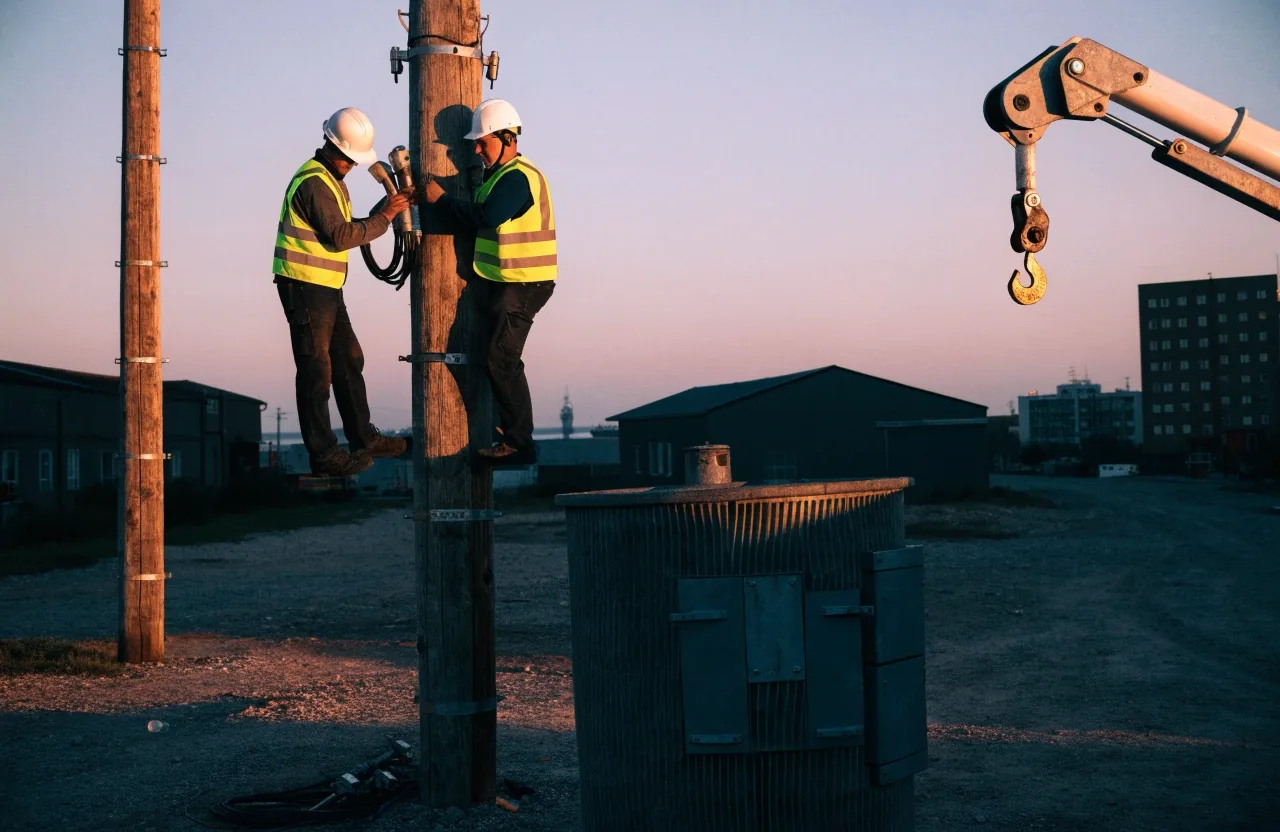
Data centers are unusual among large developments because most of their footprint is invisible from the street. The building that goes up is a shell. What the surrounding neighborhood actually notices is the electrical infrastructure that has to reach it: new substations, upgraded feeders, and a load profile that behaves very differently from a factory or an office tower.
That mismatch is the reason the Memphis discussion kept escaping its own agenda. When a council debates permits, it is debating land use. When residents ask about water and power, they are asking about a system the council does not directly run. Utility planning sits with the state and with the utility itself, and the timelines rarely line up with a permitting calendar. A pause can buy the city time to ask better questions, but it cannot by itself produce the load data everyone in the room said they wanted.
The same tension shows up in other cities weighing similar pauses, and it usually resolves into one of two practical asks: a requirement that developers fund an independent load study before permits issue, or an agreement that ties tax abatement to verifiable infrastructure milestones. Both are harder to write than a moratorium. Both are also harder to route around.
Three things stayed open when the meeting adjourned. We will update this report as the record fills in, and we note corrections at the top of the story rather than quietly editing it.
Corrections
No corrections have been logged for this report. Spotted an error? Write to the newsroom and we will check it against the meeting record.
The proposed moratorium only concerns new building permits. Facilities already permitted or under construction are not affected by the motion, and existing tax agreements with the city remain in force regardless of how the October vote goes. If you are trying to figure out which specific projects sit on which side of that line, the planning department's permit records are the source to check rather than the hearing itself.
Because the item was never called to a vote. Procedural challenges from the dais consumed the time that had been reserved for it, and the council chose to reschedule rather than decide on a motion that several members said they had not finished reviewing. Postponement is not the same as rejection: the motion returns to the October 20 agenda in the same form unless it is amended beforehand.
It came up in public comment and in questions from the dais, tied to financing and power procurement arrangements rather than to a local permit application. No developer representative spoke, and no company was named in the motion itself. Our reporting keeps that distinction visible: the connection is part of why the room got loud, not part of what the council would be voting on.
Sign up through the city clerk ahead of the session rather than at the door, and submit written comment before the deadline if you would rather not wait through the agenda. Written comments are entered into the record whether or not you attend. The clerk's office publishes both the sign-up window and the comment deadline with the meeting notice.
Keep reading
Elisha Yong Journal · 354 E 31st St, Brooklyn, NY 11226
Newsletter About the Newsroom ContactFiled Oct. 8, 2026