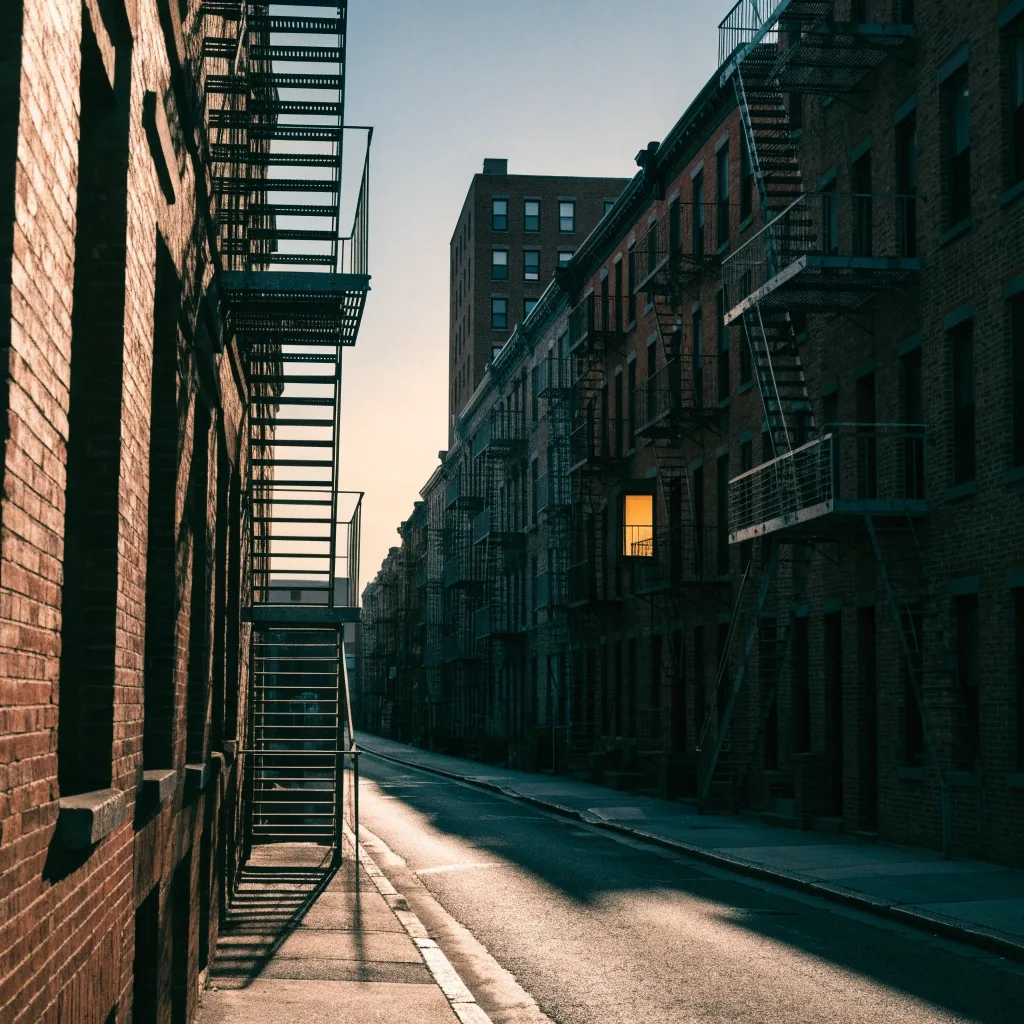
A composing bench in a Brooklyn newsroom at eight in the morning, papers and a mug under low raking light

City council, community, neighborhood

Local New York

Collect New York City and regional reporting on city council decisions, community responses, and neighborhood events.

Metro desk Oct. 7, 2026

AI Safety and Liability Questions Dominate New York City Council Hearing

The council hearing put oversight of automated systems on the public record. We followed the testimony, the questions members repeated, and what a liability framework would change for agencies that already run these tools.

How we cover the city

Local coverage here starts at the room, not the press release. If the City Council votes on something, we want the amendment that was argued over, the member who asked the second question, and the version that actually passed.

That means meetings get read line by line, community boards get followed from first presentation to final recommendation, and neighborhood events get covered as neighborhood events — not as photo opportunities. Reporters keep notes on who was in the room, what the agenda said before it changed, and which parts of a decision land on a specific block.

Where a figure, a deadline, or a budget line is cited, it comes from the public record or a named source. Where the record is incomplete, the piece says so. Corrections stay visible on the story rather than quietly swapped out.

We also publish the parts that are dull but load-bearing: committee schedules, the difference between a resolution and a local law, which agency actually signs off, and how long a public comment window stays open. That is what lets a reader follow a decision across months instead of catching one headline.

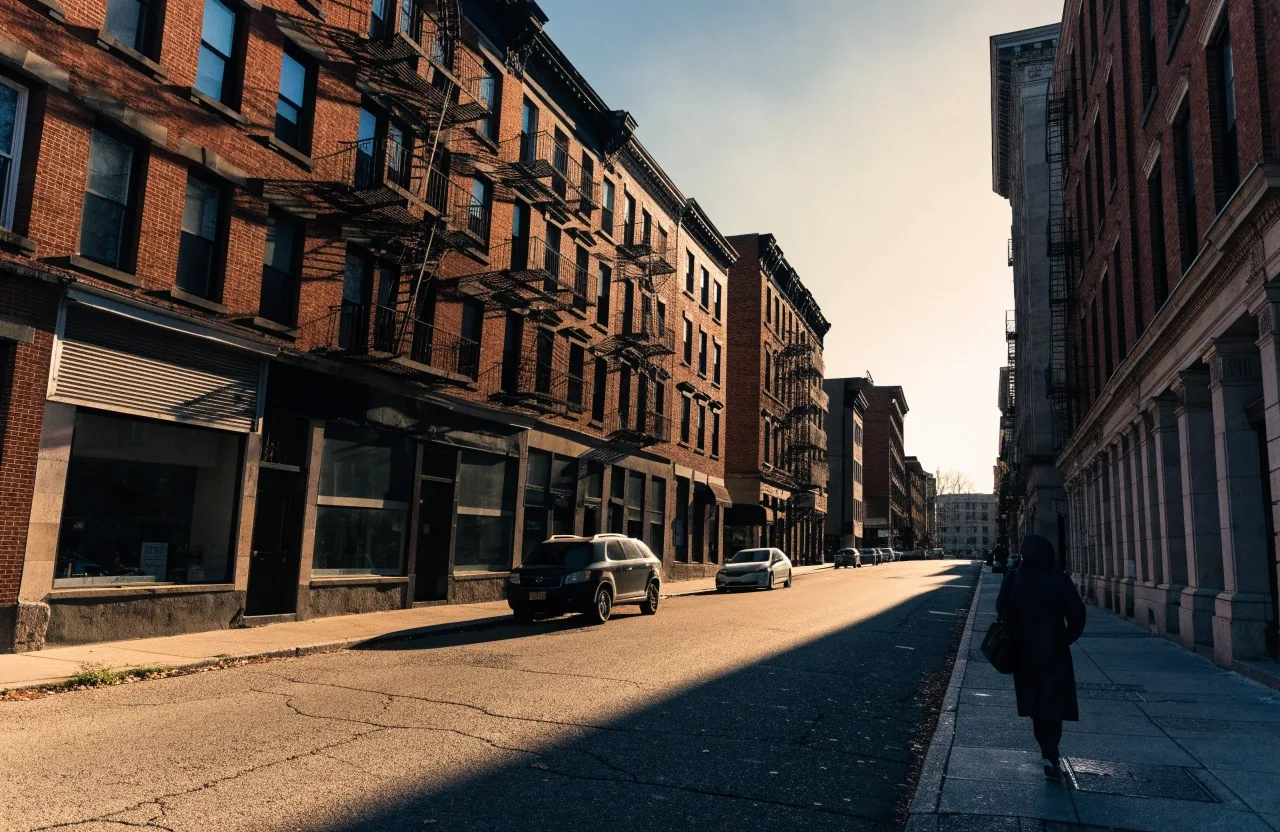
A quiet Brooklyn street at first light with wet pavement and warm windows

Five boroughs, one paper. The stories below come off the street first — a council chamber doorway at dusk, a board meeting in a church basement, a subway platform at seven in the morning — and get reported from there.

A borough council chamber doorway standing open at dusk with warm light spilling into the hall
City Hall desk Oct. 7, 2026

What the council hearing changed — and what it did not

Members asked the same four questions for three hours, then left the liability rule for a later vote. Here is what the record shows about who testified, which agencies are already using automated systems, and the gap between a hearing and a law.

Continue Policy

The five boroughs, in beats

Local New York reporting is a standing desk here, not a seasonal push. The beats below are the ones we keep returning to: city council decisions, community board responses, neighborhood events, and the Brooklyn news that never makes the wire.

If you are following a specific block, a specific school rezoning, or a specific agency decision, the fastest route is the archive — every local piece is filed under the desk that set it. Torchys appear in the local and business files wherever franchise policy meets a neighborhood.

5 Boroughs covered by the metro desk
7 Standing beats across the newsroom
2 Editors who read every local file before it runs
1 Editorial standards page that governs all of the above

Where local reporting comes from

A story about a rezoning does not start at the vote. It starts at the community board presentation three months earlier, in a room with bad acoustics and a projector that never quite focuses.

Our reporters keep attendance lists, agendas as they were published, and the amendments that were withdrawn. When a decision lands, the file already has the history behind it.

Which meetings does the metro desk cover?

City Council sessions and committee hearings, community board meetings where a proposal is on the agenda, and public briefings from the agencies that sign off on local decisions. Routine procedural sessions are noted in the archive but not written up as full stories.

Can I send a tip about something on my block?

Yes, and the most useful tips include a date, a place, and whatever document or notice prompted the question. A photo of a posted notice, a link to an agenda, or the name of the meeting you attended all shorten the time it takes to check a lead.

How are corrections handled on local stories?

A correction is appended to the story with the date and what changed. If a figure or a name was wrong, the corrected version replaces it and the note stays at the foot of the piece. The Editorial Standards page sets out how we source, attribute, and correct.

Where do borough-specific stories end up?

Citywide stories run here. Stories that belong to a broader beat — technology, business, policy, sports, society, world — are filed under that section and cross-referenced from this page, so the local file stays a local file.

Questions about a specific story, or a document you think should be public? Reach the newsroom at Contact, or read the full About the Newsroom page for how the desk is organized.

Reporting this city, week in and week out

If you live here, the paper should be useful here — which means following a decision past the day it was announced, and coming back when the next phase lands. Bookmark the local file, or follow the sections you care about most.

Tips, documents, and questions from residents shape what gets checked next. The metro desk reads everything sent to the newsroom during working hours.

Newsroom

354 E 31st St, Brooklyn, NY 11226, USA

Desk hours

Monday to Friday, 9:00 AM – 6:00 PM

Reach the desk

Contact · +18332923148