
Torch Systems secures $11.5 million to expand AI monitoring for outdoor infrastructure
Oct 2026 · 4 min read
AI
The technology beat here is small on purpose. We follow the systems that touch a Brooklyn street, a restaurant kitchen, a city council chamber, or a European lab, and we leave the rest to the wire.
AI in the field
Models that run outside the data center: cameras on pedestrian lights, sensors on water mains, and the contractors who install them. Story selection leans toward deployments where the vendor, the city, and the resident all have a stake in the outcome.
Restaurant software
Point-of-sale vendors, scheduling tools, and the pricing modules franchise owners argue about. This is where the reporting on Torchys, Toast, and comparable back-of-house platforms lives, usually with an operator or a franchisee on the record.
European model releases
Labs outside the United States ship on their own cadence, under their own rules. We cover releases from Mistral and its peers with an eye on what the announcement changes for developers and regulators, not on the benchmark chart.
Data centers and power
The physical footprint of the AI build-out: siting fights, water use, grid strain, and the local boards that get the final say. Memphis, the Hudson Valley, and any town that wakes up to a substation proposal all fall under this thread.
Recent filings
Reporting from our staff and contributors. Each item opens on its own page.
Oct 2026 · 4 min read
AIOct 2026 · 5 min read
SoftwareOct 2026 · 4 min read
ModelsOct 2026 · 6 min read
PolicyOct 2026 · 5 min read
InfrastructureOct 2026 · 5 min read
SoftwareOct 2026 · 4 min read
AIOlder technology reports, and everything else from the newsroom, sit in the full archive and in the beat index.
Featured this week · AI infrastructure
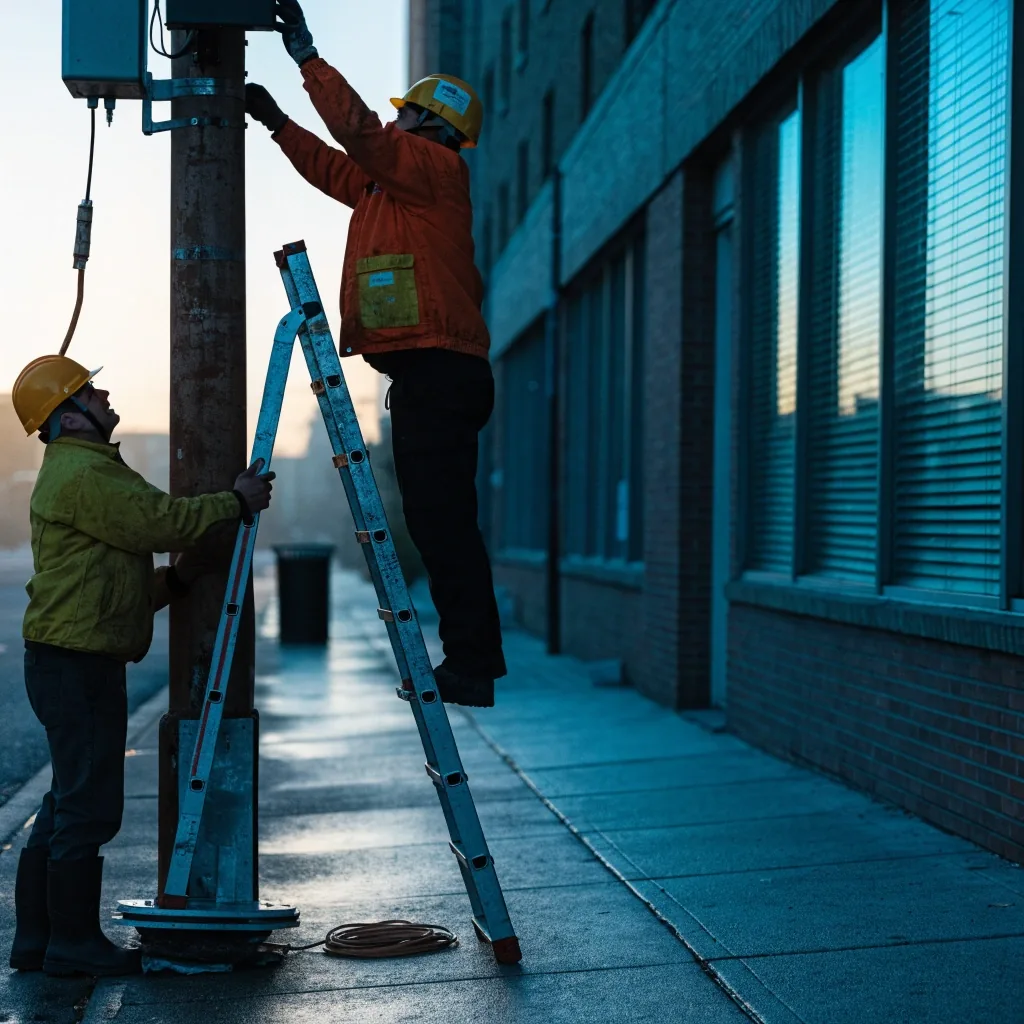
The funding is earmarked for camera and sensor deployments on street fixtures, water systems, and transit edges in mid-sized American cities. The report walks through what the company says the sensing layer detects, which municipalities have already signed on, and the two monitoring clauses that local boards are asking to review before construction starts.
Continue reading
Restaurant software
Scheduling, prep lists, and inventory counts move to an agent layer. What operators actually see in the first weeks.
Models & policy
A release that lands in the middle of a regulatory argument, read against the two open-weight models it will be measured against.
Four running counts we can stand behind. They keep the technology desk honest about where its attention actually goes.
Everything on this page was reported under the same standards that cover the rest of the journal: named sources where possible, vendor claims labeled as claims, and a corrections line under any story that has been updated after publication.
If you run a kitchen, work on a city contract, or ship code at a lab outside the United States, the technology desk reads email and takes tips. Replies usually go out within one business day.
The technology editor keeps a running list of open threads: unfiled regulatory dockets, vendor announcements that need a second call, and reader tips that name a real operator or contractor. Threads with primary documents and at least one on-record source move to the top. Nothing on the list is published without a second look from an editor who did not write it.
Yes, when there is a real record to work from. That means a lawsuit filing, a franchisee association statement, a pricing document a source turns over, or a public hearing transcript. The desk covers platforms such as Toast and comparable systems alongside the pricing questions surrounding chains like Torchys. We label vendor copy as vendor copy, and we do not repeat an unverified claim just because it is circulating.
Any networked device that watches a public asset and reports back: cameras on streetlights, acoustic monitors on water pipes, weight sensors on transit platforms, and the software layer that turns the readings into an alert. It shows up here because these deployments are decided in rooms most technology coverage barely visits, and the local board meeting is often where the real story sits.
Every correction is logged at the foot of the story with the date it was made and a plain sentence describing what changed. We do not silently edit a published claim. If a source is retracted mid-reporting, the piece is held until the desk can stand behind what remains, or it is killed.
Use the newsroom contact page and mention the technology desk in the subject so the message routes correctly. If a document has conditions attached, say so up front and we will confirm what we can and cannot honor before anything is written. Our office at 354 E 31st St in Brooklyn takes mail Monday to Friday, 9:00 AM to 6:00 PM.
Built in a Brooklyn composing room
The technology desk publishes whenever a story stands up, not on a fixed clock. The newsletter collects the week's filings on Monday morning, the beat index keeps the sections side by side, and the archive runs the whole ledger back to the first issue. If you want to talk to the desk first, contact the newsroom directly.
354 E 31st St, Brooklyn, NY 11226 · Mon to Fri, 9:00 AM to 6:00 PM