
A composing bench at first light, with newsprint, ink tins and a working editor's tools spread across it

Wednesday, Oct. 8, 2026 · Local New York

Oct. 7 Anniversary Prompts Mourning and Protests in New York City

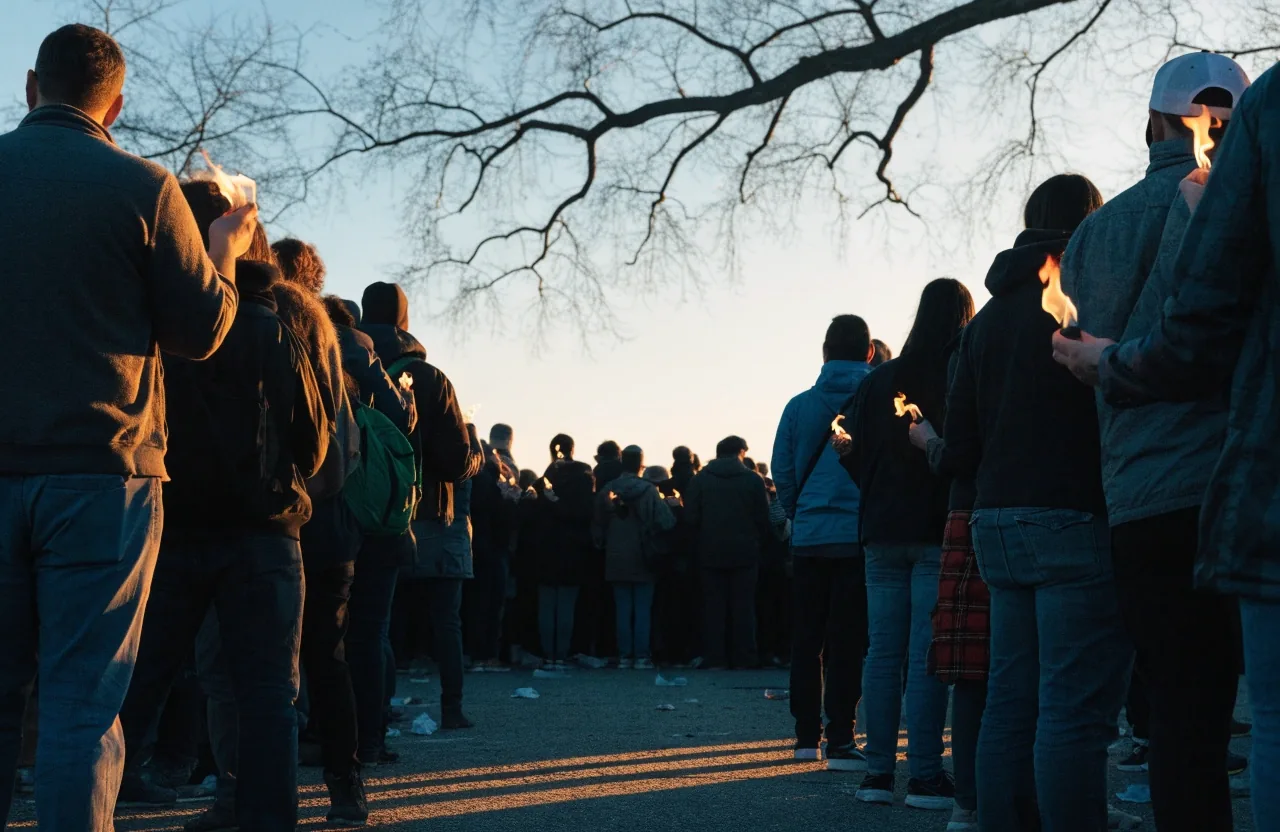
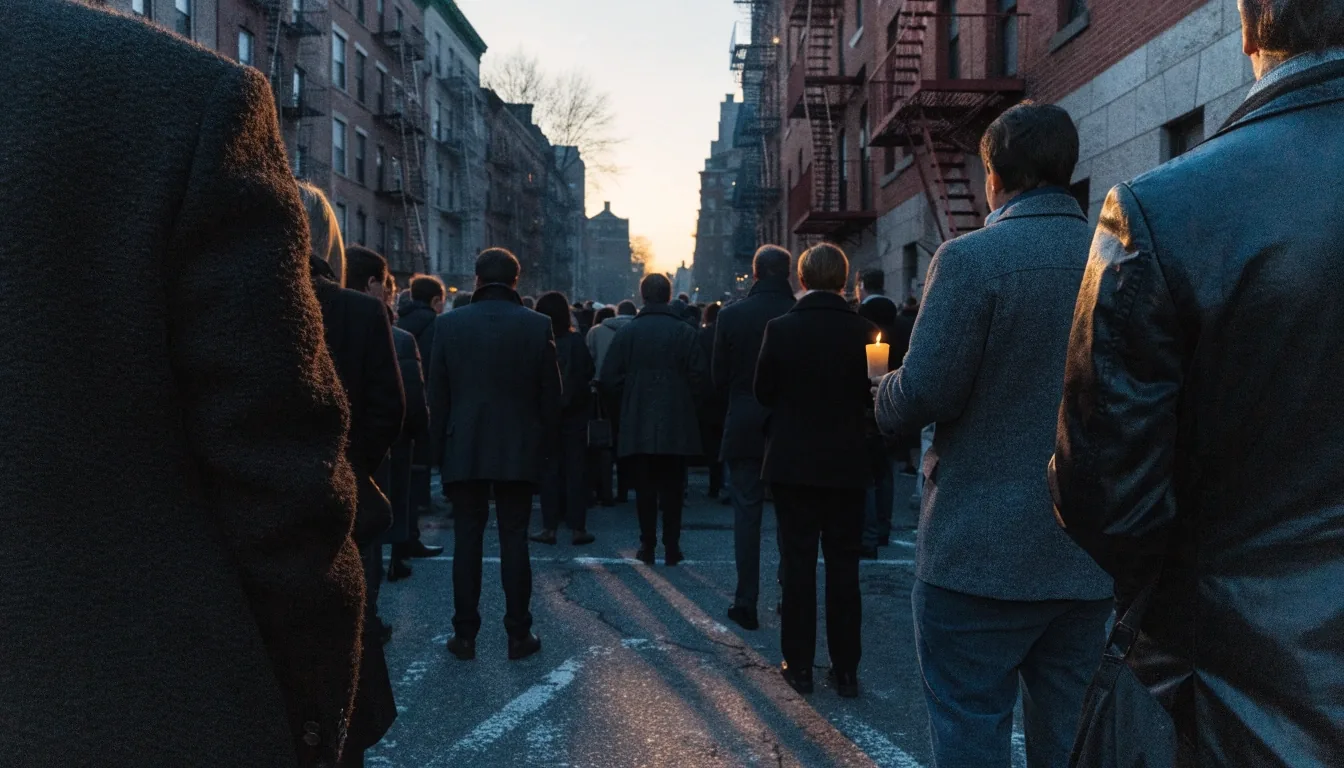
New Yorkers marked the third anniversary of the Oct. 7, 2023 attacks with vigils and protests in Lower Manhattan and Union Square, in a day that moved between quiet remembrance and loud disagreement inside a few blocks of each other.

A city that held two feelings on the same afternoon

By the time the sun dropped, police had shepherded three separate gatherings through Lower Manhattan and Union Square without a serious injury reported. Organizers on both sides had spent weeks filing permits, arguing over routes, and preparing for a crowd larger than last year's.

A Brooklyn brownstone stoop at first light, one window warm above wet pavement

The scene on the ground: pedestrian blocks closed early, subway entrances redirected, and a slow-rolling NYPD presence on foot and bicycle that kept the two crowds a block apart. Reporters moved between them all evening.

Mourning first, then disagreement — inside the day's real sequence

Vigils opened the day on purpose. Family members from Brooklyn, Queens and New Jersey arrived early, laid flowers on a temporary platform, and asked the crowd not to chant while they spoke. The march came after dark.

People who had never shared a sidewalk before spent the same evening within earshot of each other. By the numbers the day was modest: three permitted gatherings, two of which stayed under three hours, one of which changed route midway after an NYPD request. But the shape of it matters more than the size. Jewish New Yorkers who lost family on Oct. 7, 2023, and demonstrators calling for a ceasefire in Gaza both chose the same few blocks, hours apart, on a Wednesday that felt compressed for everyone involved.

Officials from the 9th and 13th precincts confirmed afterward that no arrests were made at the vigil and that several were made at the second gathering over blocking a crosswalk after repeated warnings. Police did not name those arrested and no injuries were reported. We have asked the department for the arrest tally and will publish it when it is confirmed rather than publish a number we cannot verify.

What is clear from being on the ground all evening is that the two crowds conducted themselves differently and largely without incident with each other. The friction was procedural: who arrives first, who gets the better corner, who has a louder sound system. Not the confrontation that headlines often promise.

An editor at a newsroom desk late in the evening with printouts and a reading lamp

How we covered it

Reporting a crowd without amplifying it

We sent two reporters and one photographer. Ground rules were set in advance: we name organizers who spoke publicly, we do not name private individuals pictured in the crowd without asking, and we do not run slogans as pull quotes out of context. Where a claim came from one side only, it is labeled as such. Where we could not confirm a number, we say that instead of inventing one.

What a newsroom can honestly tell you about a Wednesday it watched closely

Numbers matter less than conditions on this story. The night stayed calm. The two crowds stayed apart. What remains open is the conversation that resumes tomorrow, and every day after.

Gatherings held
3
Blocks closed to traffic
4
Confirmed injuries
0
Arrests we could confirm
—

We publish a number when we can verify it, and an em dash when we cannot.

Questions from readers about the Oct. 7 anniversary coverage in NYC

We answer these in the open so the editorial process is visible, not hidden behind a mast opinion.

Why did the crowd sizes differ so much between the vigil and the march?

The vigil had an earlier start on a weekday evening, which kept turnout to people who could leave work or who live in walking distance. The march began after dark, which catches a different crowd — students and shift workers finishing later. That timing difference, not any single decision by organizers, explains most of the gap. We asked both sides for their own estimates and published neither, because each side inflated its number and we had no reliable way to count from the ground.

How do you report on a protest without taking a side?

We report what we can see and what people say on the record, and we label anything one-sided. If a demonstrator says a specific number was arrested, we attribute the claim rather than state it in our own voice. If police say the same thing, we attribute that too. Where both agree, we say both agree. That is the whole method — the reader gets the raw material to judge, not a verdict we handed down from a desk.

Is there a way to see the addresses and times so I can plan around them next year?

The NYPD publishes street closure notices ahead of large permitted events, and organizers post their own assembly points, usually a week or two out. We will list the main permits for next year's anniversary as they come in on the news archive, along with the subway entrances affected. If you live or work downtown, the practical advice is to check the evening before and again the morning of.

Do you use any AI tools to write or edit this?

Every sentence you read here was written by a person on our staff. We do use tools for spell-check, for tagging, and for helping us sort a large photo set down to the images worth a second look. We do not generate quotes, we do not generate the reporting, and no draft is published without a human editor signing off on it. You can find the fuller version of that policy on our editorial standards page.

A Lower Manhattan street at dusk with stacked barriers along the cleared sidewalk

What we will watch next

The conversation that will not end at the curb

Anniversary days compress arguments into a single evening. What follows is slower: hearings, campus policies, funding decisions, and family stories that do not fit a single night's news. We will keep filing on the local pieces and the world events that shape them.

Elisha Yong Journal

An independent editorial news blog covering technology, business, policy, sports, local New York stories, and world events with grounded reporting and clear editorial standards.

Reach the newsroom

354 E 31st St, Brooklyn, NY 11226, USA
Phone: +1 833 292 3148
Email: TheodoreMeyer@elishayong.com

Monday to Friday, 9:00 AM – 6:00 PM

© 2026 Elisha Yong Journal · Reported in Brooklyn, New York