

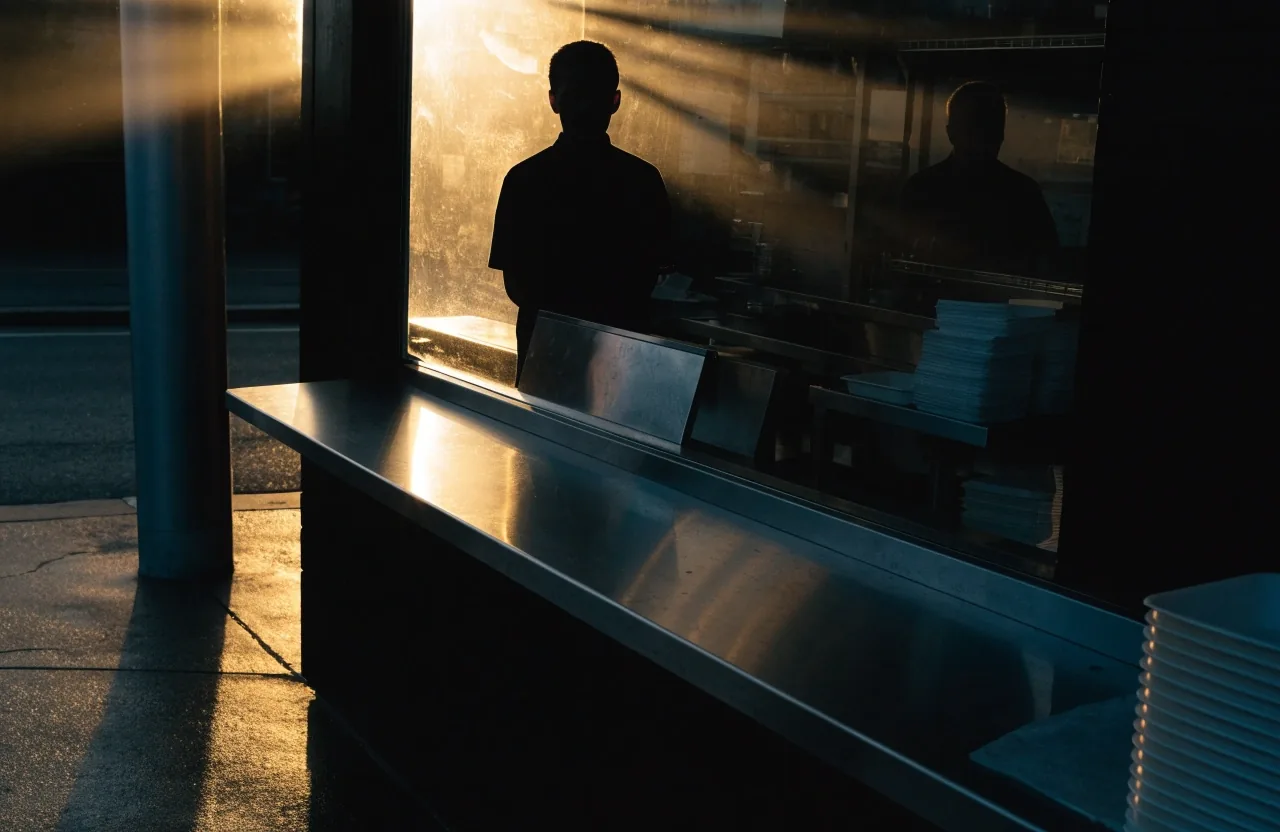

A Brooklyn composing bench at 8am under low raking window light, splayed proofs and a tipped mug on the surface

Technology · Restaurant operations · 8 October 2026

Toast Rolls Out AI Agents to Automate Restaurant Operations

The point-of-sale company says its new agents build labor plans from staff availability, expected sales and overtime risk. Beta operators are the ones who find out whether the schedule survives a Friday night rush.

What Toast actually announced

Restaurant automation, labor planning, overtime risk

Toast introduced AI agents aimed at the parts of a restaurant day that eat the most management time: building a labor plan, filling a shift when someone calls out, and watching where scheduled hours drift toward overtime. The company frames the agents as a layer that sits on top of the point-of-sale and scheduling data it already holds, rather than a separate app a manager has to keep open on a second screen.

That distinction matters more than it sounds. A restaurant's schedule, its sales history and its punch clock usually live in different places, and the gap between them is where overtime quietly accumulates. If the agents read from one system, the labor plan a manager sees in the morning is the same plan the payroll system will eventually measure — which is the whole promise, and the whole thing beta operators are testing.

Toast is not the first vendor to put generative tooling in front of restaurant operators, and the company is careful not to promise that the agents replace a manager's judgment. In practice the agents propose; a person still approves. What is new is how tightly the proposal is tied to a single venue's own numbers instead of a generic industry template.

A Brooklyn brownstone stoop at first light with warm window glow and damp pavement

What beta operators say about scheduling and overtime

The beta feedback that matters is not whether the schedule looks tidy — it is whether the plan holds once the week starts bending. Operators in the early group describe the same split: the agents are strongest at the front of the week, when availability, expected covers and posted hours can be weighed together without anyone doing arithmetic at 11pm. They are least settled at the back of the week, when a call-out, a slow Tuesday or a delivery that runs long forces a human to decide who covers what.

Overtime is where the conversation sharpens. Managers say the value is not a rule that refuses extra hours — it is a flag raised early enough that someone can still shift the work instead of paying for it later. A warning on Sunday is a decision; the same warning on Friday night is a bill. The agents are being judged on how far forward they can move that warning without freezing a schedule that a busy kitchen needs to change.

There is a second, quieter theme in the beta notes: trust builds slowly with the people the schedule touches. A manager who cannot explain why the plan looks the way it does will stop using it, however good the underlying logic is. Restaurants that adopted it fastest were the ones that treated the agents as a first draft to be argued with, not an answer to be posted and defended.

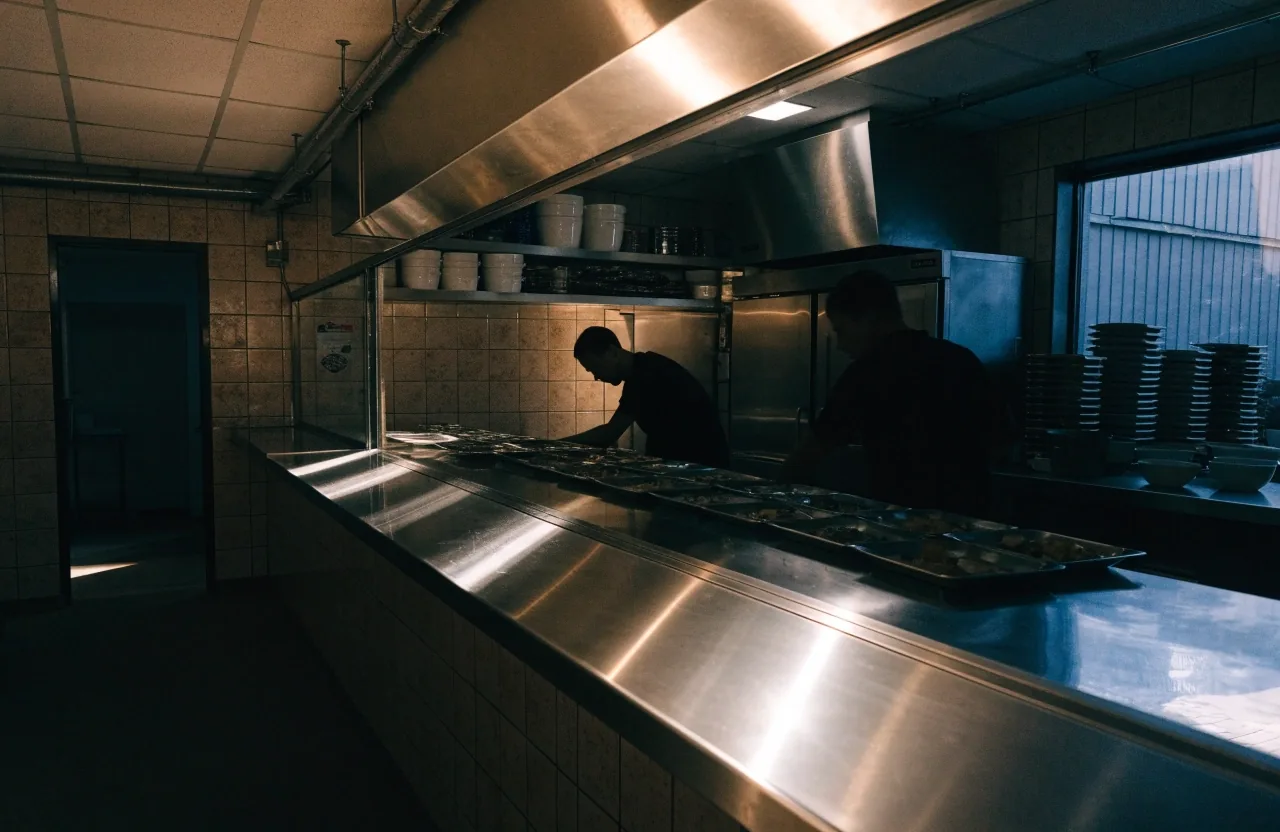
A stainless steel kitchen pass after dinner service under warm overhead light

Operator notes · scheduling

Where the agents earn their keep in a normal week

Building the first version of a weekly rota from availability and expected sales takes the longest grind off a manager's plate. The agents also watch the hours already posted and flag the point where a single extra shift tips a person into overtime — which is the moment most operators say the tool pays for the attention it asks for.
A small restaurant office corner with a closed binder and warm doorway light

Overtime risk

Warning early, not refusing

The flag is useful while there is still room to move a shift; it is late the moment a Friday night is already staffed.

Adoption

A first draft, not a verdict

Managers who treat the proposed plan as something to argue with keep using it. Ones who treat it as final stop trusting it the first time reality disagrees.

What to watch before you trust a labor plan

Four checks that decide whether an automated schedule is genuinely useful in a working kitchen.

Source of truth Does the plan read availability, sales history and punches from one place?
Overtime timing Does the flag arrive while the week can still be rearranged?
Override path Can a manager change a shift without fighting the tool?
Staff explanation Can the person affected be told, in plain words, why the plan looks like it does?

The questions a scheduling agent still cannot answer alone

Labor planning · overtime risk · shift coverage

A labor plan is arithmetic in theory and a negotiation in practice. The arithmetic part — matching posted hours against expected sales and staying under an overtime threshold — is where software has always been able to help if it has the right inputs. The negotiation part is where a person still has to make the call: who is willing to close two nights in a row, who is training, whose availability changed for a term and has not been updated in the system since.

That is why the beta notes keep circling back to the same word: explanation. If a manager can see why a shift was proposed, the proposal is easy to accept, adjust or reject. If the plan arrives as an answer with no visible reasoning, every unfamiliar choice becomes a reason to distrust the tool — and one bad week of distrust is usually enough to send a manager back to the spreadsheet.

The broader story — where AI agents show up inside the tools restaurants already use, and how quickly operators accept them — sits alongside the disruption in other corners of the sector, from supply chains to delivery platforms to franchise-level pricing. This journal's technology and business desks have reported on those shifts separately; the labor-planning question is where they intersect inside a single venue.

A stack of unmarked manila folders held by a rubber band on a wooden desk edge

Where this sits in the sector

Restaurant automation is now a labor question, not a hardware question

For a decade, restaurant technology conversations were about terminals, tablets and payment rails. The current generation of tools is about the hours a person works and the decisions a manager makes on a Tuesday afternoon. That changes which operators get the most value, and it changes what a vendor has to explain before anyone trusts the output.

The pattern is not unique to dining rooms. From franchise pricing to delivery logistics to independently owned shops, the same substance is being automated: the small repeated calls that used to be handled by someone who knew the venue. How well those calls survive automation depends far less on the model than on how the people inside the venue can see, understand and override it.

Questions readers have sent about this story

Common follow-ups on the Toast announcement, from operators and from readers who follow the restaurant software market closely.

Does this mean a restaurant can run without a manager approving the schedule?

No. The agents propose a labor plan; a person still approves, changes or overrides it. The beta notes from operators describe the tool as a first draft rather than a final answer, and the value they get depends on keeping it that way.

Where does the plan get its data from?

From the systems a venue already runs on — availability, posted hours, sales history and punch records are read together rather than separated into a second app. The scheduling value depends on those inputs being current and complete, which is why room for a manual override stays important.

How is this different from the scheduling features restaurants already had?

Traditional scheduling tools stored the plan and produced reminders. What changed is the drafting — the agents build a proposed plan from the venue's own data and flag overtime risk while there is still time to rearrange the week. Watching those two functions sit in the same tool is what operators are testing now.

What is still unresolved as the rollout widens?

The honest answer is how well the agents explain their reasoning under pressure, and how easily staff can be told why a shift looks the way it does. Those are the operating questions — not model capability — and they are the ones beta operators are watching most closely.

Corrections and clarifications to this story can be sent to the newsroom. Editorial standards for how we report and correct are published separately.

Reach the newsroom

Elisha Yong Journal
354 E 31st St, Brooklyn, NY 11226, USA

Working hours

Monday to Friday, 9:00 AM – 6:00 PM

Contact the newsroom