
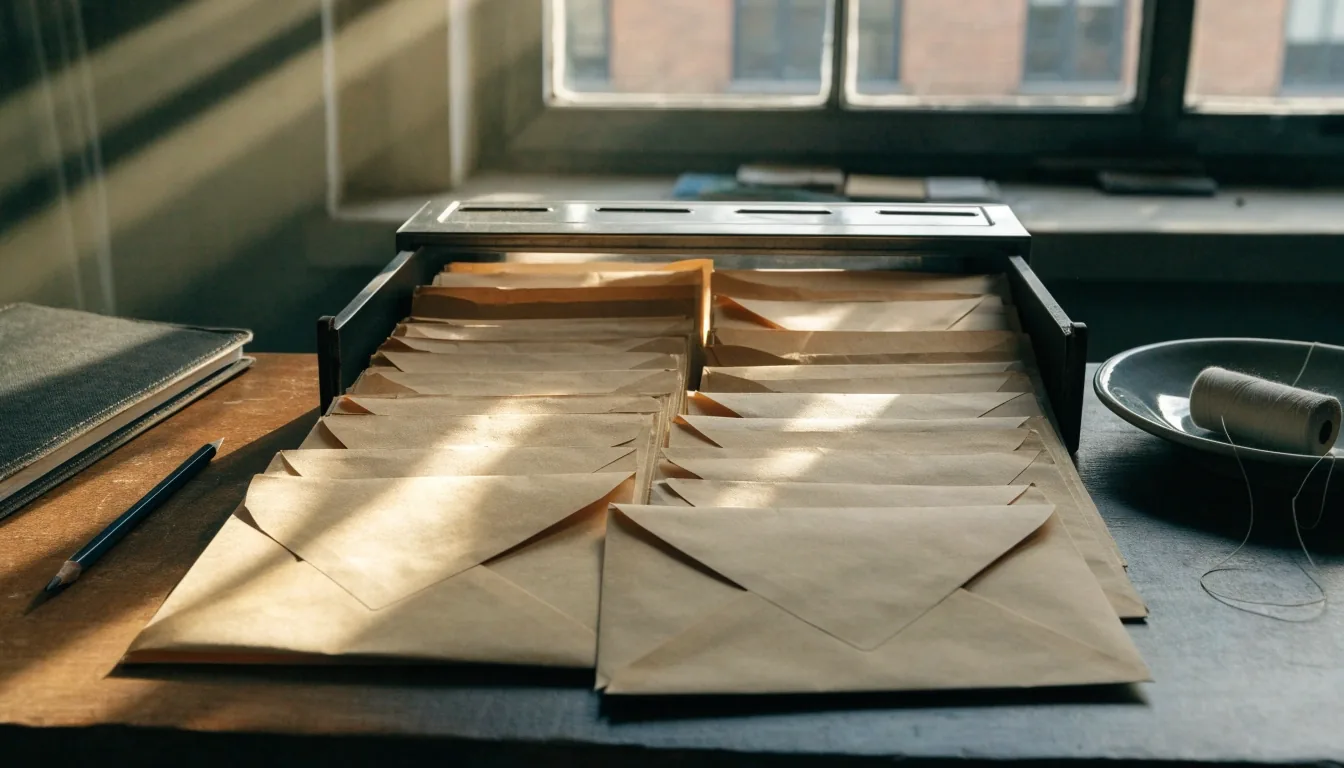
An open filing drawer of unmarked manila envelopes, a closed notebook and a stub pencil on a composing bench in raking morning light

Sections & beats

Sections

Every story we publish is filed into one of eight beats, and each beat has its own page that collects the work by topic. Here is what each section covers, who reads it, and how to find the reporting you came for.

Eight beats, one paper

A beat is just an agreement about where a story lives. Reporters file against their beat; editors check that the filing fits before anything reaches the front of the paper. When a story could belong in two places, we file it where the reader is most likely to look for it and link it from the other.

Use this page as an index. Each row below opens the section that collects that beat, newest first.

  • Stories sorted by beat, not by date alone
  • Every section opens with its newest filings
  • Corrections stay attached to the section they correct
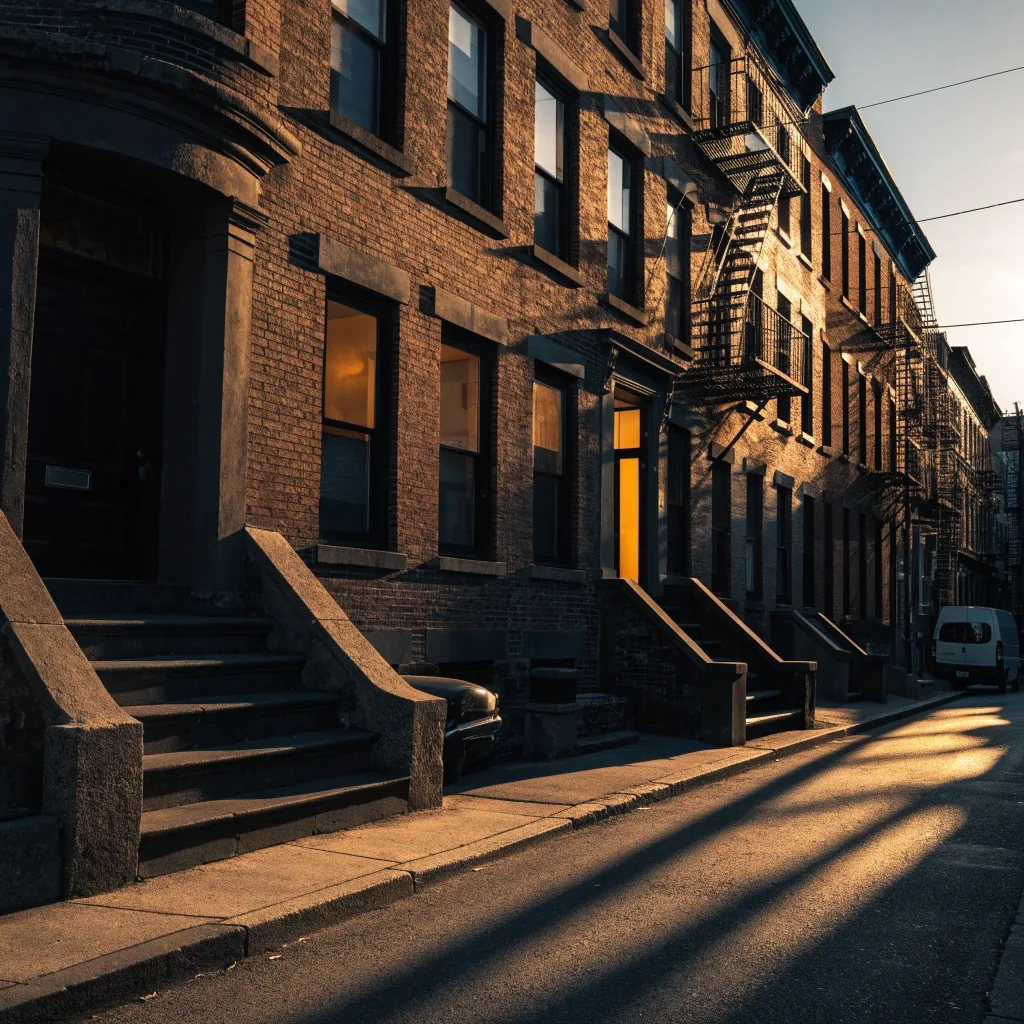
A Brooklyn street of brick facades and stoops at first light with long raking shadows and warm window glow

How a filing lands in a beat

A beat is not a shelf a story gets pushed onto afterward. Reporters here file against a beat before the reporting starts, which is why a data-center vote shows up under Policy while the money behind it runs in Business the same week. The desk reads every filing and asks one question: where would a reader go looking for this?

If the answer is two places, the story runs where it belongs and gets linked from the other section so nobody has to guess. Section pages sort newest first, and a correction stays attached to the section that carried the original filing — it does not disappear into an archive page.

Readers who follow one beat do not need to track the whole paper. If you only want Local New York, that section is a complete read on its own, and the same is true of Technology or Sports.

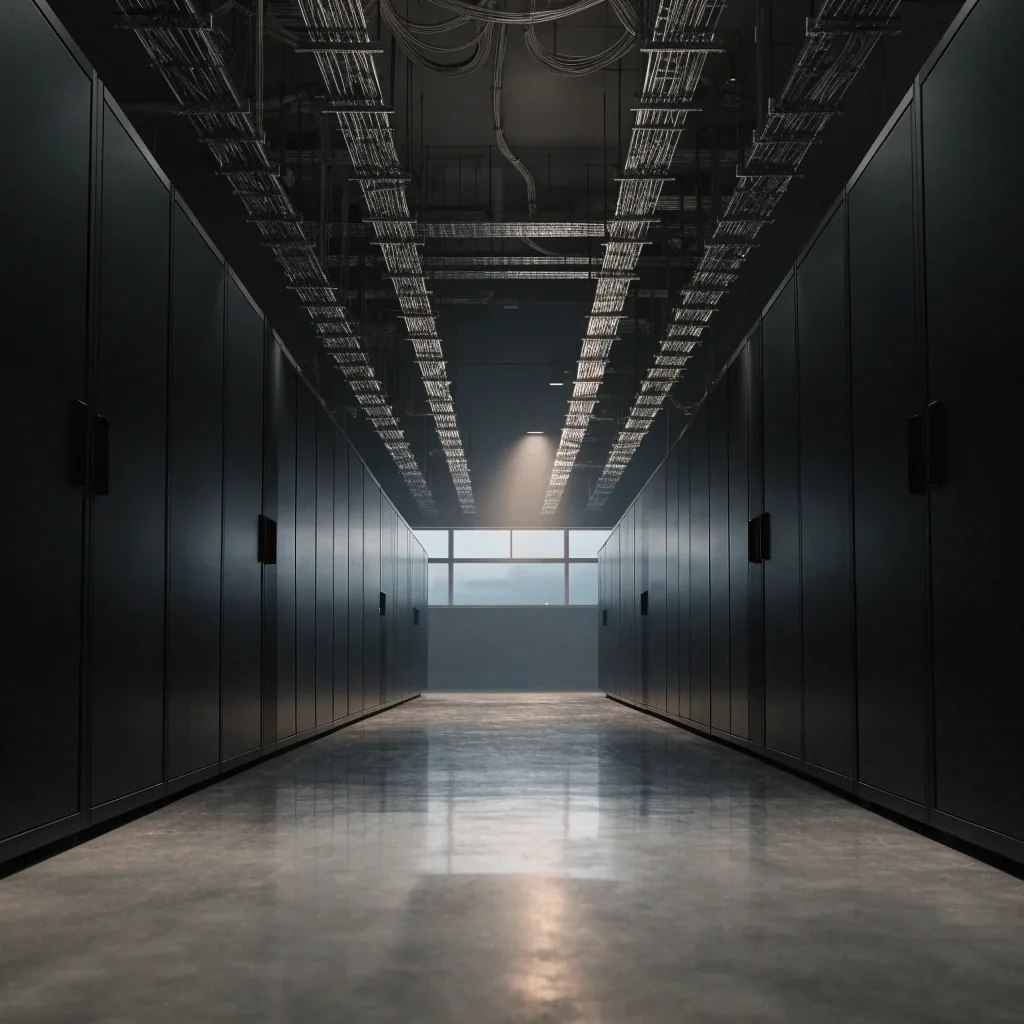
A data-center corridor of closed server cabinets in cold morning light
Most read section

Technology: infrastructure, AI platforms and the vendors selling them

This beat follows the physical side of computing — the buildings, the power contracts, and the monitoring systems that keep outdoor infrastructure honest. It is also where you will find coverage of AI tools reaching small operators, from restaurant software to city council testimony.

Stories here rarely need breaking-news speed. What they need is a clear line between what a company says it does and what a customer or regulator can actually verify.

Filed from the sidewalk

Local New York

Block-level reporting from Brooklyn and the boroughs. Zoning notices, school closures, council fights, and the ordinary arguments that decide how a neighborhood runs. Filed from the street, not from a press release.

Open Local New York
Overnight desk

World

Conflicts, elections, climate events and the diplomacy between them. The overnight desk keeps this section moving while New York sleeps, so the morning read is current rather than a recap.

Open World

What the sections are for

Reading by beat is how most of our readers use the paper. If you came from a search for torchys or a link somebody sent you, start with the section closest to the topic and work outward — every story carries its beat at the top so you can jump when a filing leads somewhere unexpected.

Sections are curated, not automatic. An editor reads every story that runs, and a section page is a selection from that beat — not simply everything tagged with the word.

8 Sections covering the beats we file against
5 Publishing days a week, Monday to Friday
1 Corrections log shared across every section
Brooklyn Newsroom address on E 31st St

Reading by beat

Short answers to the questions readers send us most often about how the sections work. If your question is not here, the newsroom answers mail during weekday office hours.

Ask the newsroom
How do I follow just one beat?

Open that section page and bookmark it. Each one sorts newest first, so a single section reads as a complete paper for that topic. You can also subscribe to the weekly newsletter and pick the beats you want included.

Why does the same story appear in two places?

Some filings genuinely sit between two beats — a data-center vote is policy in the chamber and business on the balance sheet. It runs in one section and is linked from the other, so readers do not have to guess which desk claimed it.

What is the difference between Opinion and the reported sections?

Opinion is argued writing signed by the person making the argument, and it never runs under a reporter's byline. Every other section runs reported stories that are checked before publication, with the sources we can name named.

Where do corrections go?

A correction is added to the story that was wrong, in the section that carried it. We do not quietly rewrite a filing and leave the section page unchanged — the note stays visible at the foot of the piece.

Can I send a tip for a specific beat?

Yes, and saying which section it belongs to helps. Write to the newsroom address during weekday office hours, include what you know and how you know it, and say plainly if any part of it cannot be attributed.

Start with the beat you came for

Eight sections, one newsroom. Pick a topic page to read it newest-first, or browse the full archive if you would rather see everything in the order it was filed.

Newsroom

Elisha Yong Journal
354 E 31st St, Brooklyn, NY 11226, USA

Monday to Friday, 9:00 AM – 6:00 PM

+1 833 292 3148
TheodoreMeyer@elishayong.com

About the newsroom